Seasonal Banchan: A Guide to Korean Side Dishes and Their Significance


In the vibrant world of Korean cuisine, banchan plays a vital role. These are the small, flavorful side dishes that accompany almost every Korean meal. What makes banchan truly special is their seasonality, offering a delightful experience that changes with the time of year.

Understanding Banchan
Banchan is more than just a collection of side dishes; it's a reflection of Korea's rich culinary traditions and the country's deep respect for nature's cycles. These dishes are often prepared with fresh, seasonal ingredients, ensuring that every meal is not only delicious but also aligned with the natural rhythm of the seasons.
Typically, a Korean meal will include a variety of banchan, each offering a unique taste and texture. From spicy, tangy, to savory, these dishes add complexity and depth to the meal.
The Significance of Seasonality
In Korean culture, seasonal banchan is a way to celebrate the changing seasons. Each season brings its own set of ingredients, allowing cooks to experiment with different flavors and techniques. For example, spring might feature tender greens, while summer is perfect for refreshing cucumber dishes.
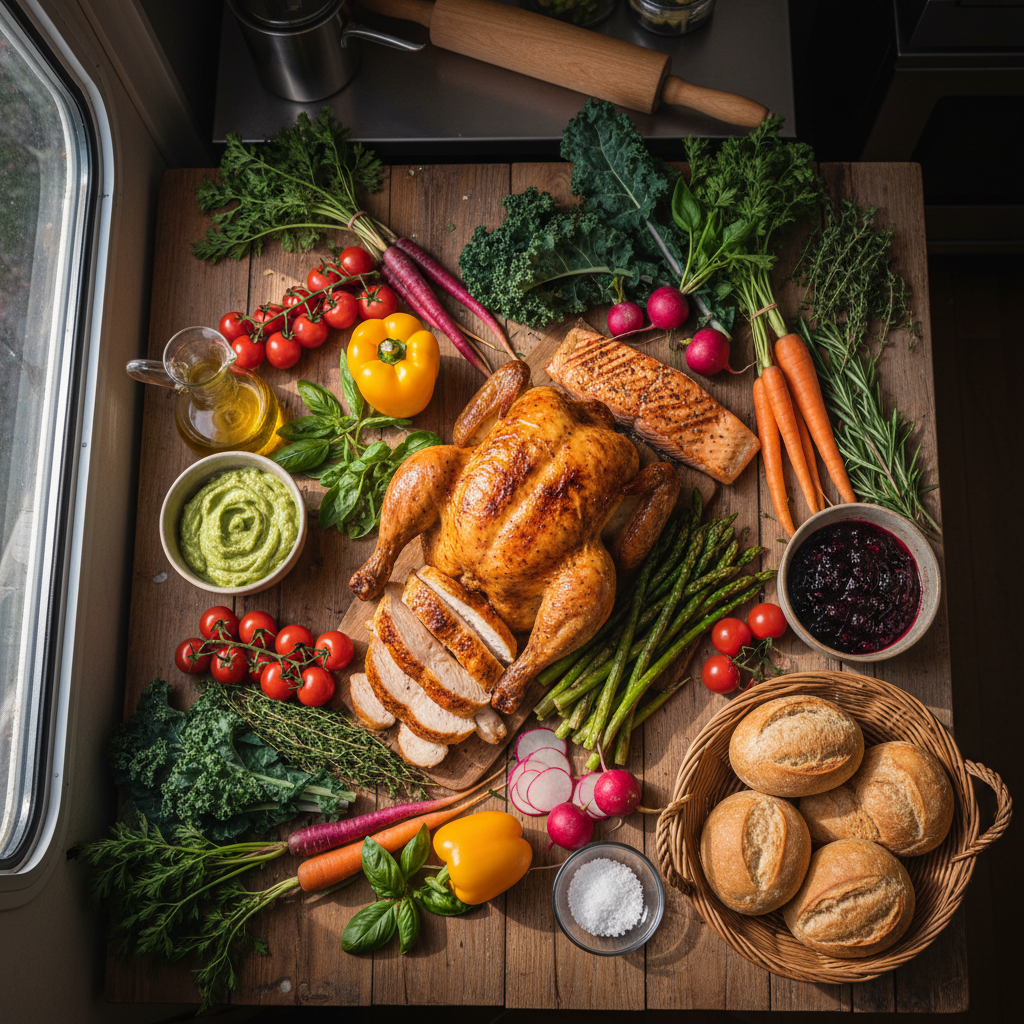
This focus on seasonality not only enhances taste but also provides nutritional benefits. Eating in harmony with the seasons is believed to support health and well-being, a principle deeply embedded in Korean culinary philosophy.
Popular Seasonal Banchan
Spring: Fresh and Green
- Namul: These are lightly seasoned vegetable dishes, often made with fresh greens like spinach or fernbrake.
- Doenjang Jjigae: A soybean paste stew that often includes spring vegetables such as radishes and scallions.
Summer: Cool and Refreshing
- Oi Muchim: A spicy cucumber salad that offers a refreshing crunch, perfect for hot days.
- Naengmyeon: Cold noodles that are often served with pickled radishes as a side.
Autumn and Winter: Warm and Hearty
As the weather cools down, Korean banchan turns to heartier ingredients. Autumn brings the harvest of root vegetables, while winter is a time for fermented dishes that provide warmth and sustenance.
Autumn: Harvest Abundance
- Kimchi: While enjoyed year-round, certain varieties are particularly popular in autumn, like napa cabbage kimchi.
- Japchae: Stir-fried glass noodles with seasonal vegetables like mushrooms and bell peppers.
Winter: Fermented and Flavorful
- Ggakdugi: A spicy radish kimchi that provides a fiery kick to winter meals.
- Gamjatang: A hearty pork bone soup with potatoes, often accompanied by fermented banchan.
By embracing seasonal banchan, you can enjoy a diverse array of flavors and textures that reflect the natural bounty of each season. Whether you're a seasoned cook or a curious foodie, exploring these side dishes offers a delicious insight into Korean culture and culinary arts.